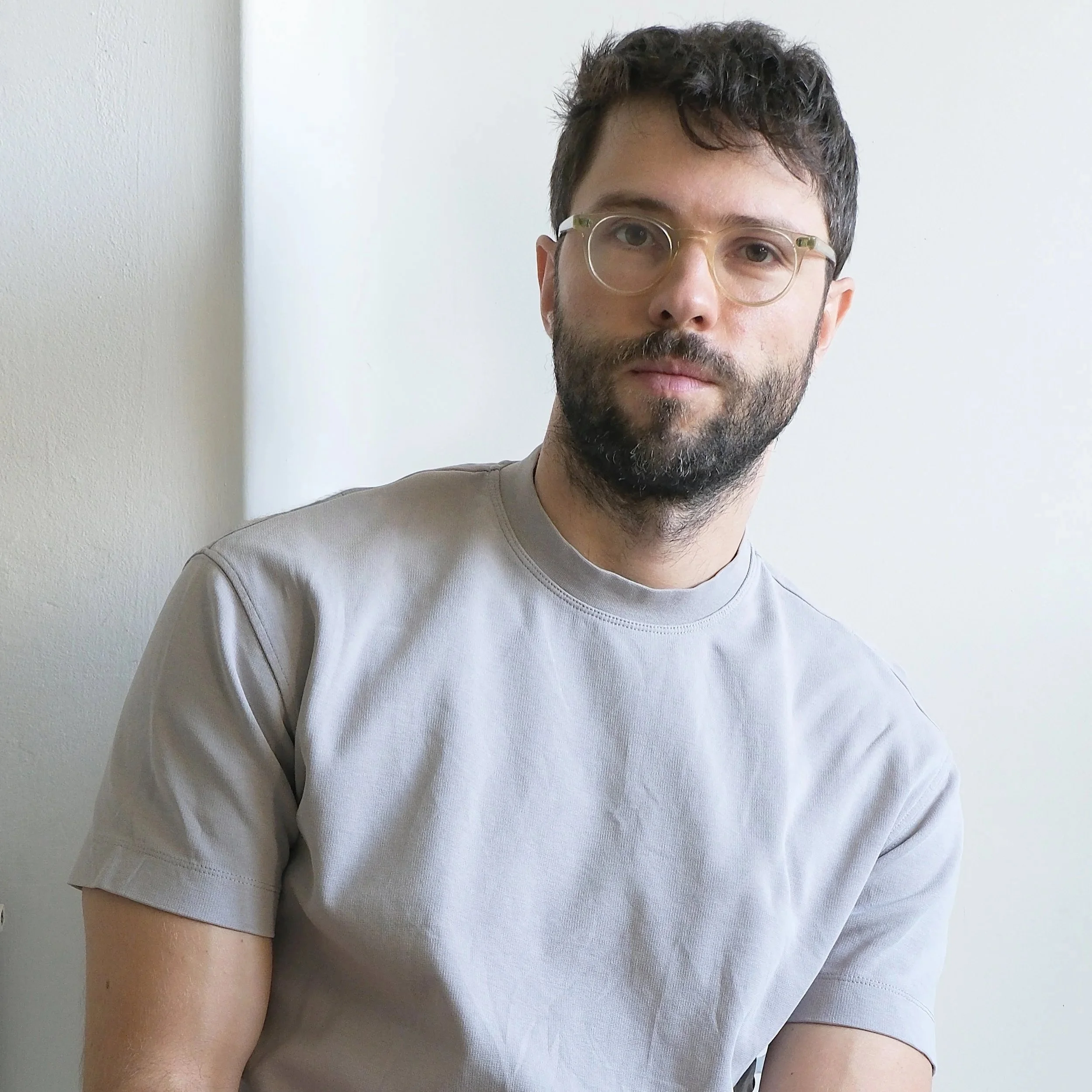
2027 Grantham Foundation Winners
The Grantham Foundation for the Arts and the Environment is pleased to announce the winners of its 2027 Call for Projects.
Ludwig Berger — Winner of the Creation in Visual Arts Award
Ludwig Berger is a sound artist, composer, and radio author. His work, situated at the intersection of acoustic ecology, Deep Listening, and poetic storytelling, emerges from an intimate, ongoing exploration of the acoustic phenomena of specific places: air bubbles in an Alpine glacier, the hidden movements of a peat bog, or the porous acoustics of his childhood home. He grew up between Alsace and the Palatinate and currently lives in Tiohtià:ke/Montreal. Ludwig Berger has worked as an associate researcher at the Chair of Landscape Architecture at ETH Zurich. His work has been presented at the Luxembourg Pavilion at the Venice Architecture Biennale, the Canadian Centre for Architecture, and UNESCO, and has been featured in The New York Times.
During his residency, he will work on Chanter à l'œuf ("Singing to the Egg"), a sound piece exploring embryonic listening in birds. The work responds to a phenomenon observed by biologists in zebra finches, which adopt a specific song directed at their eggs during heatwaves. Embryos hear this song before hatching, and this early acoustic experience prepares them for a warming world. Here, the egg is not a symbol but a listening body, enclosed and vulnerable, yet already exposed to climate, vibrations, and voice. This project thus questions how we welcome new beings into a world that has already been altered.
To learn more about the artistic practice of Ludwig Berger: https://ludwigberger.com
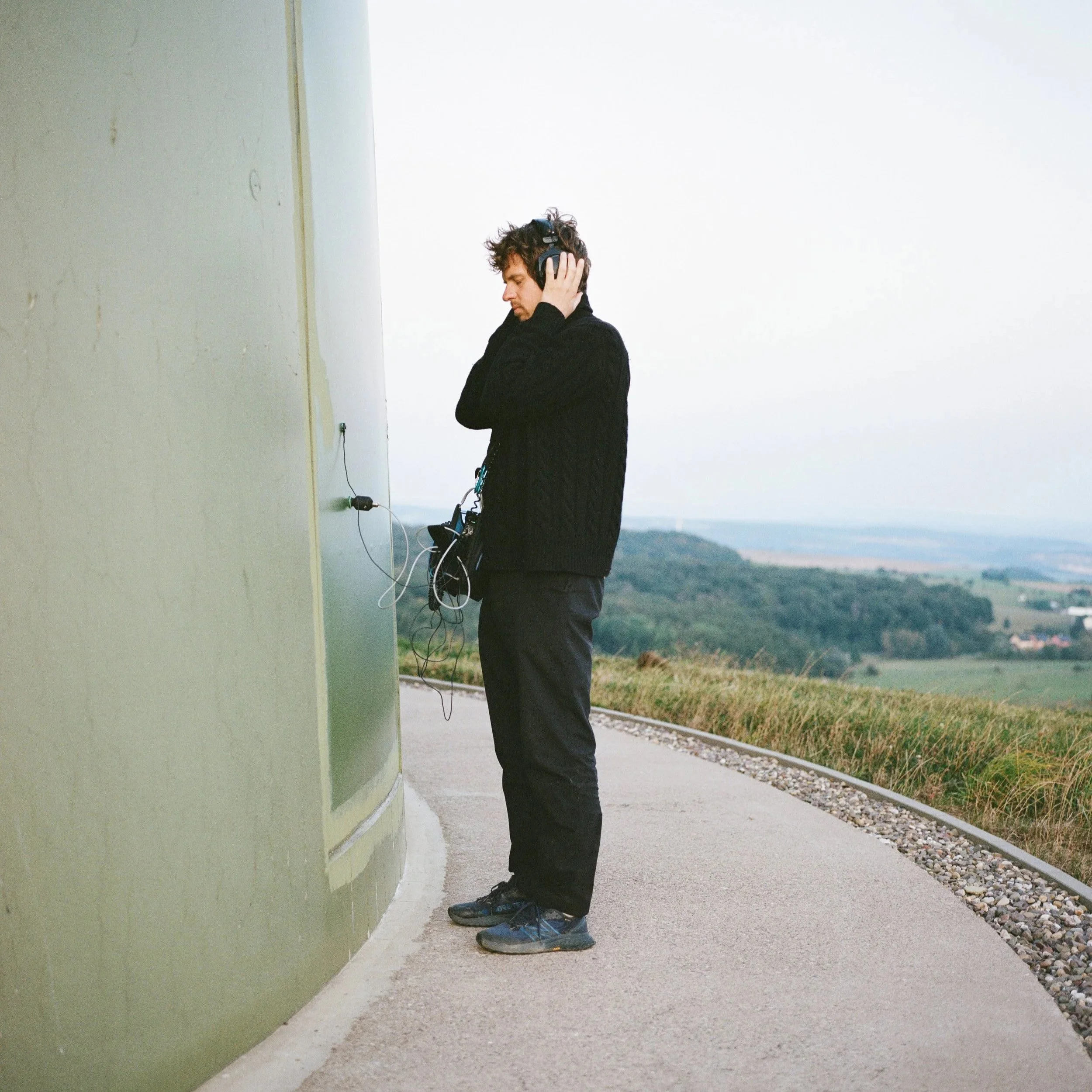
Photo credit: ©Valentin Bansac
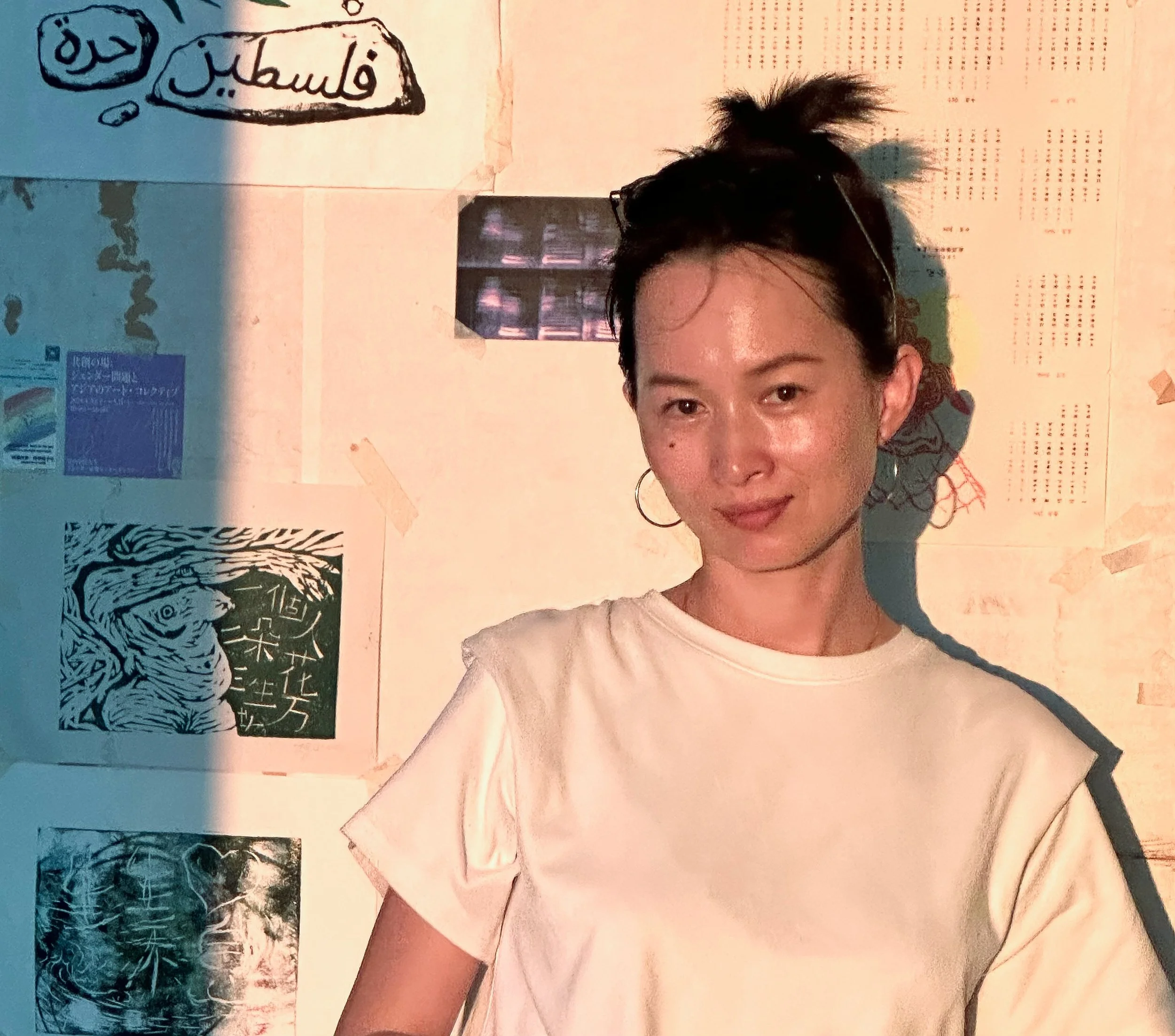
Binghuang Xu — Winner of the Research in Visual Arts Award
Binghuang Xu is a curator and writer based in South China. Since 2018, she has co-run Making Space, an independent platform focused on art and social practice. Her work engages with environmental justice, alternative education, folk knowledge, and mobility. Her writing has appeared in Artforum, Made in China Journal, and Queer East Magazine, and she is a contributing author to Culture and Sustainability in East and Southeast Asia (Springer, 2026). Binghuang Xu is a Prince Claus Fund Fellow for Cultural & Artistic Responses to the Environmental Crisis and a 2026–2028 De Ying Fellow.
During her residency, Binghuang Xu will explore how people make lives alongside rivers and waterways, drawing from her ongoing work on environmental justice, rural life, and social practice in South China. Beginning with experiences from the Pearl River Delta, she is interested in everyday relations with water and in the small openings people find within landscapes shaped by regulation, development, and ecological change. Through walking, observation, conversation, visual research, and curatorial writing, she will approach the Foundation’s riverside environment as another context for thinking about water as a lived social and ecological relation.
To find out more about Binghuang Xu’s work: https://makingspace2017.notion.site/ms
Tadeáš Říha — Winners of the Creation and Research in Architecture Awards.
Tadeáš Říha is a registered architect practising between London and Prague. His work spans community, residential and industrial buildings, exhibition-making, and curatorial practice, establishing collaborations across architecture, sustainable engineering, and culture. In his research, Tadeáš investigates architectures as hardened situations of political and economic power, where built structures and living organisms coalesce. He co-curated Weak Monument, the Estonian National Pavilion at the 16th Venice Architecture Biennale, examining the political significance of pavement. His research project Steel Cities investigated outsourced logistical landscapes in northwest Bohemia.
Insurable Grounds examines the progressive withdrawal of property insurance as an indicator of how probable future climate catastrophes already exist in the built reality of the present. The project positions insurability as a critical infrastructural condition that actively determines and reorganizes territory across scales, at times exercising greater authority than policy and generating effects more consequential than conventional forms of design. As insurance becomes unavailable, prohibitively expensive, or contingent on state intervention, territory ceases to function as property in any operative sense.
Architectural practice is familiar with insurance as a nondescript but persistent design mechanism. By assembling, mapping and representing cases of insurance withdrawal in Québec, the project examines the expanded territorial scale at which insurance acts today.
To find out more about Tadeáš Říha: https://tadeasriha.cargo.site